Discover the top twelve folding mobility scooters through hands-on reviews, uncovering the best...

Explore how ozone therapy is emerging as a groundbreaking option for those seeking alternative solutions to Lyme disease where conventional treatments may fall short.
Understanding the Complexities of Lyme Disease
Lyme Disease, recognized each May during Lyme Disease Awareness Month, is a tick-borne illness caused primarily by the bacterium Borrelia burgdorferi. Transmitted to humans through the bite of infected blacklegged ticks, Lyme Disease can manifest as fever, fatigue, joint pain, and a distinctive skin rash called erythema migrans. If left untreated, the infection can spread to joints, the heart, and the nervous system, leading to persistent symptoms and complications.
Diagnosing Lyme Disease can be challenging due to its diverse symptoms, which often mimic other illnesses. Early detection is crucial, as prompt antibiotic therapy is highly effective in most cases. However, some patients experience lingering symptoms even after treatment, known as Post-Treatment Lyme Disease Syndrome (PTLDS), which can significantly impact quality of life.
What Is Ozone Therapy and How Does It Work?
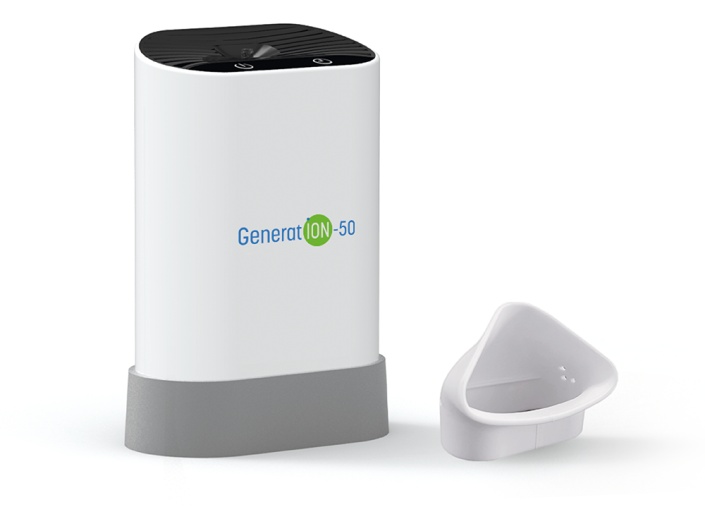
Ozone therapy is an alternative medical approach that utilizes ozone gas (O3), a molecule composed of three oxygen atoms, to stimulate healing and modulate immune response. In medical settings, ozone can be administered in various ways, including autohemotherapy (where a patient’s blood is mixed with ozone and reintroduced), insufflation, or topical application.
The proposed mechanisms of action for ozone therapy in Lyme Disease include improving oxygenation of tissues, enhancing immune system function, and exerting antimicrobial effects against bacteria, viruses, and fungi. While not a mainstream treatment, ozone therapy is gaining attention from clinicians and patients seeking adjunctive options when conventional therapies provide incomplete relief.
Benefits of Ozone Therapy for Lyme Disease Patients
For individuals suffering from persistent symptoms of Lyme Disease, ozone therapy may offer several potential benefits. Patients and practitioners have reported improvements in energy levels, reduction in joint and muscle pain, enhanced mental clarity, and better overall well-being after undergoing ozone therapy.
While anecdotal evidence is encouraging, it’s important to note that ozone therapy should not replace standard antibiotic treatment for acute Lyme Disease. Instead, it may be considered as part of a comprehensive care plan for those struggling with ongoing symptoms or PTLDS.
Current Research and Patient Experiences
Current scientific research on ozone therapy for Lyme Disease is limited but growing. Preliminary studies and case reports suggest that ozone may help reduce bacterial load and inflammation, supporting immune function in patients with chronic symptoms. However, larger, controlled clinical trials are needed to establish its safety and efficacy definitively.
Patient testimonials often highlight improvements in symptom severity and quality of life, especially when ozone therapy is combined with other supportive therapies such as nutritional supplements, physical therapy, and mind-body practices. Still, individual responses vary, and therapy should be tailored to each patient’s needs under medical supervision.
For more information, see:
- Centers for Disease Control and Prevention (CDC) Lyme Disease Overview: https://www.cdc.gov/lyme/
- International Lyme and Associated Diseases Society (ILADS) Lyme Disease Guidelines: https://www.ilads.org/patient-care/lyme-disease/
- Review on ozone therapy: https://www.ncbi.nlm.nih.gov/pmc/articles/PMC3312702/
- Patient perspectives: https://www.lymedisease.org/ozone-therapy-chronic-lyme/
Integrating Ozone Therapy Into Comprehensive Care Plans
Therapists and caregivers supporting individuals with Lyme Disease should prioritize a holistic, patient-centered protocol. This includes thorough assessment of symptoms, collaboration with physicians to ensure antibiotic therapy is administered when indicated, and integration of adjunctive therapies such as ozone only under professional guidance.
A typical care protocol might involve:
- Close monitoring of symptoms and functional changes
- Incorporation of physical and occupational therapy to address mobility, pain, and daily living challenges
- Use of adaptive equipment (e.g., ergonomic seating, mobility aids, grab bars, and bathing safety products available at www.rehabmart.com) to maximize independence
- Nutritional support and counseling to address fatigue and promote healing
- Emotional and psychological support through counseling or support groups
- Consideration of adjunct treatments like ozone therapy, PEMF devices, light therapy, or massage, based on individual tolerance and medical advice
Caregivers and therapists should educate patients on tick prevention, monitor for side effects of any therapy, and maintain open communication with the entire healthcare team. This collaborative approach ensures that all interventions, including emerging options like ozone therapy, are tailored to the unique needs of each individual, prioritizing safety, comfort, and quality of life.