

Protecting loved ones with special needs starts with selecting the right helmet—discover the...

Protecting loved ones with special needs starts with selecting the right helmet—discover the essentials for maximum safety and comfort.
 Understanding the Importance of Special Needs Helmets
Protective headgear plays a critical role in safeguarding individuals who are at increased risk of head injuries due to medical conditions, balance challenges, or mobility limitations. For children and adults in assisted living facilities, schools, and home settings, a special needs helmet is not just a piece of equipment—it’s a vital component of daily safety and well-being.
Accidental falls, seizures, and unintentional impacts can result in serious injuries. Wearing a well-designed helmet significantly reduces the risk of trauma, providing peace of mind for caregivers, educators, and family members. By prioritizing head protection, you help foster a secure environment that encourages independence and confidence for those in your care.
Key Features to Look for in a Protective Helmet
When choosing a special needs helmet, start by evaluating its intended application. Some helmets are designed for all-day wear, while others are specialized for specific activities such as sleeping, sports, or transportation. The right helmet should be lightweight, comfortable, and easy to adjust to ensure consistent use.
Key features to consider include: adjustable sizing, secure but gentle straps, ample ventilation for comfort, and, when necessary, additional elements like face shields for facial protection. Look for removable, washable liners for hygiene, and ensure the helmet covers all vulnerable areas of the head. For users with higher needs, options for extra padding or extended coverage may be essential.
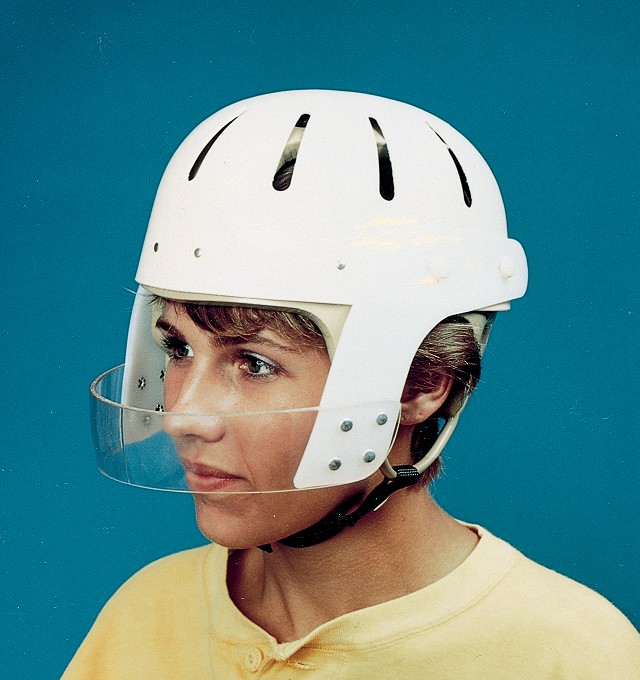
Danmar Hard Shell Helmet with Face Bar
$163.16Danmar's Hard Shell Helmet with Face Bar provides facial coverage for its wearer. The face bar is made of a clear polycarbonate material and is attached to the helmet. The Helmet is made with a hard, ventilated, plastic shell. It is a lightweight helmet with vinyl-coated foam that can be easily cleaned that comes with an easily adjustable snap closure chinstrap.
How to Ensure the Perfect Fit for Optimal Safety
A helmet can only provide effective protection if it fits properly. Begin by measuring the head circumference at its widest point, following manufacturer guidelines. Most helmets—such as those from Arjo, Ribcap, and 2nd Skull—offer a range of sizes and adjustable components to ensure a snug but comfortable fit.
The helmet should rest just above the eyebrows and cover the back of the head without obstructing vision or movement. Straps must be secure yet not restrictive, and the user should be able to wear the helmet without discomfort. If possible, allow the individual to participate in the fitting process to ensure they feel comfortable and confident wearing their new protective head ware.
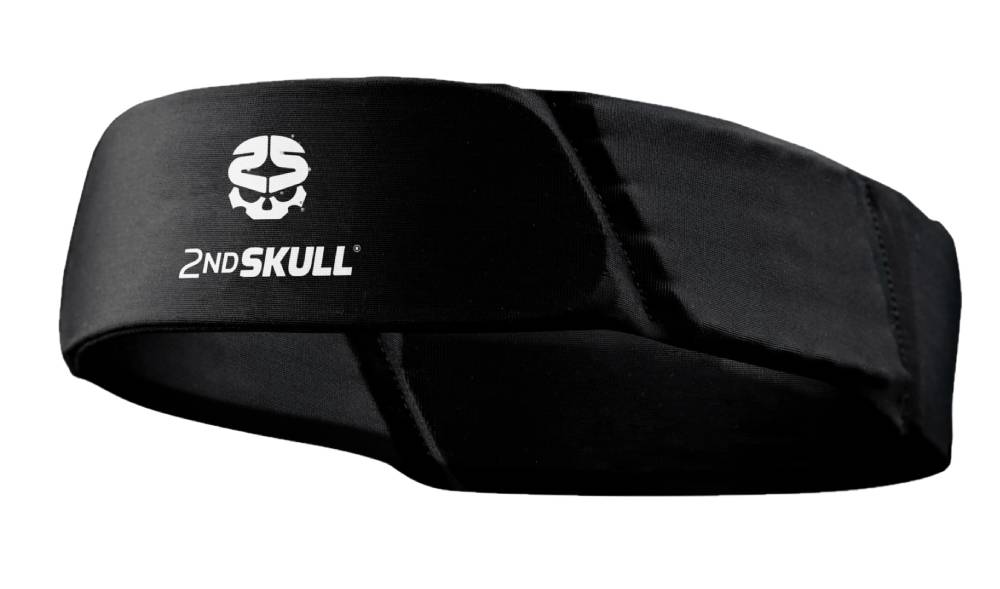
2nd Skull Pro Band Protective Headwear
$40.00Top Materials and Technologies for Enhanced Protection
The material composition of a special needs helmet directly impacts safety, durability, and comfort. Leading brands like Arjo, Ribcap, and 2nd Skull use innovative materials to maximize impact absorption while maintaining breathability and lightweight design.
Common materials include EVA foam, high-density polyurethane, and advanced textiles for outer shells. Some models incorporate thermoregulation fabrics to prevent overheating, while others feature antimicrobial linings for hygiene. Helmets from 2nd Skull, for instance, integrate patented impact absorption technology, while Ribcap specializes in flexible, stylish soft-shell designs. Arjo’s protective headgear is known for robust construction and medical-grade materials suitable for institutional use.
Tips for Encouraging Helmet Use in Daily Life
Consistent helmet use is essential for effective protection, especially in community and educational settings. Introduce the helmet gradually, allowing the individual to become familiar with its feel and function. Positive reinforcement, personalization (such as choosing colors or patterns), and modeling helmet use by peers can all increase acceptance.
Collaborate with caregivers, teachers, and therapists to reinforce the importance of wearing the helmet during high-risk activities or throughout the day as needed. Regularly inspect the helmet for wear and cleanliness, and replace it according to manufacturer recommendations to maintain optimal safety. By making helmet use part of the daily routine, you help ensure ongoing protection and promote greater independence.
Recommended for Daily Use
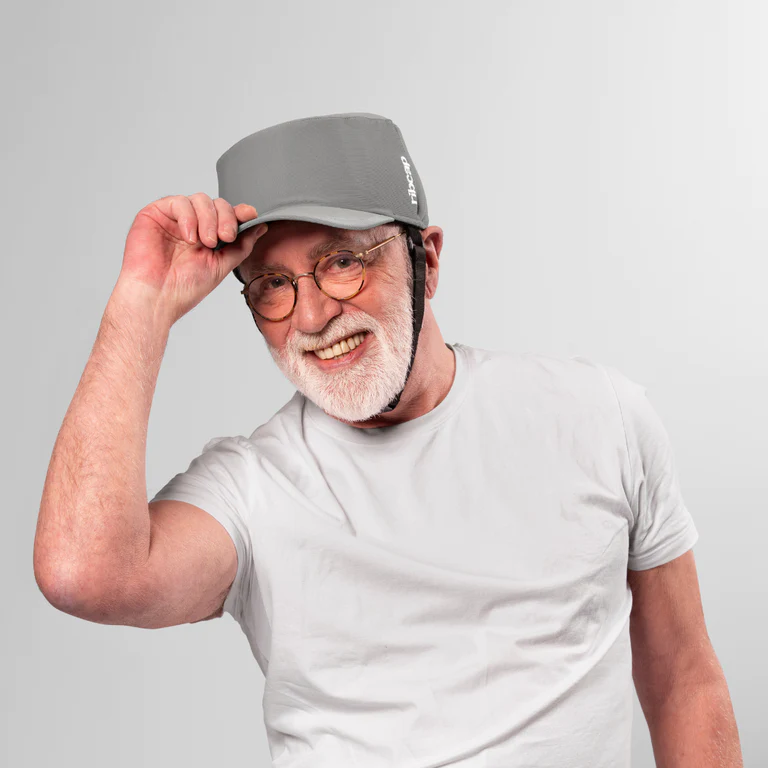
Ribcap Bowie Protective Helmet - Foam Medical Grade Cap
$86.00Related Posts


Understanding the Importance of Special Needs Helmets For individuals with medical conditions that...

Unlock the secret to enhanced physical and mental health with vagus nerve stimulation, a natural...


Leave a Comment